Overview
Wansom AI is an innovative platform that leverages artificial intelligence to help users draft legal-ready documents in minutes. Tasked with a full redesign, I worked as the solo designer responsible for transforming the user experience. The project aimed to eliminate friction points and build trust for users navigating complex legal content. My contributions spanned research, ideation, and UI, all focused on empowering users to confidently tackle legal paperwork. This case study details how I turned a challenging legal task into an intuitive digital experience.
Problem
Users found Wansom AI’s interface intimidating and confusing, leading to hesitation and frequent drop-offs when drafting legal documents. Key pain points included unclear instructions, lack of transparency in AI-generated content, and a fear of making errors in important paperwork. These barriers undermined user confidence and limited the platform’s adoption.
Solution
I redesigned the platform to provide clear guidance, transparent AI processes, and reassuring interactions at every step. The new experience emphasized clarity in instructions, supportive feedback, and design cues that establish trust. As a result, users now feel confident and empowered when creating legal documents.
Role
Solo UX/UI Designer
Tools
Figma, Miro, Notion, Maze
Timeline
3 months
Goals
The project aimed to address both user anxieties and business growth objectives. Users needed a straightforward, supportive path to create legal documents without fear or confusion. The redesign sought to boost user engagement, minimize drop-offs, and increase successful document completions. By fostering trust and clarity, Wansom AI could better position itself as a go-to solution for quick and reliable legal paperwork.
GOAL 1
Reduce user drop-off by 30% during document drafting.
GOAL 2
Increase the number of completed legal documents by 40%.
GOAL 3
Enhance user trust through transparent and clear AI explanations.
Wansom AI: Simplifying Legal Document Creation
Redesigning an AI-driven platform to help users draft legal-ready documents with confidence and ease.

Surveys
I distributed a survey to 50 platform users to validate findings from interviews and collect quantitative data on specific pain points. The survey targeted both new and returning users, with questions about perceived difficulty, trust in AI, and satisfaction with document quality. Key insights informed prioritization of design improvements and guided decisions on transparency and educational features. Survey responses reinforced the need for clarity and reassurance throughout the user journey.
Interviews
To uncover user needs and pain points, I conducted in-depth interviews with ten users, including both legal professionals and individuals with no legal background. Participants were selected to represent diverse experience levels and motivations for using the platform. Each session focused on users’ previous experiences with legal documents, their comfort with AI, and their expectations for digital assistance. The goal was to identify specific blockers and emotional hurdles users faced when engaging with Wansom AI.
FINDING 1
Users felt overwhelmed by legal jargon and wanted simpler language.
FINDING 2
There was a lack of trust in AI-generated content without clear explanations.
FINDING 3
Users were anxious about making irreversible mistakes during the drafting process.
INSIGHT 1
82% of users wanted step-by-step guidance during document creation.
INSIGHT 2
68% expressed a desire for plain language explanations of AI-generated content.
INSIGHT 3
75% reported feeling uncertain about the legal validity of final documents.
Personas
I synthesized research findings to create user personas representing the most common platform users. These personas included both legal novices seeking guidance and professionals wanting efficiency. Shared motivations included a need for confidence, clarity, and trustworthy outputs. Challenges centered around understanding legal language, fear of errors, and skepticism about automated solutions. The personas kept these core needs and anxieties top-of-mind throughout the redesign process.
User Journey
Users begin by choosing the type of legal document they need, then answer a series of guided questions that inform the AI’s drafting process. The primary challenges surfaced during information entry (uncertainty about required details) and when reviewing the output (doubts about accuracy and legal compliance). Opportunities for improvement included providing context-sensitive tips and transparent AI feedback. The refined journey now offers progress indicators, real-time validation, and easy ways to request clarifications, creating a smoother, less stressful experience.
Usability Testing
I tested high-fidelity prototypes with eight users from both legal and non-legal backgrounds. Sessions combined scenario-based tasks with observation and follow-up questions to gauge ease of use and confidence at each step. Key findings included increased comfort with the guided flows, but also highlighted lingering confusion around AI explanations. Insights from testing led to final tweaks in the instructional content and visual cues, ensuring all users felt supported through the drafting process.
Customer Journey
The typical customer journey started with discovering Wansom AI, learning about its capabilities, and deciding whether to trust it for important legal documents. Key moments included onboarding, selecting a document type, inputting information, and reviewing the AI-generated result. Major pain points surfaced during initial set-up (unclear next steps) and when validating the final document (lack of reassurance about accuracy). The redesigned journey now features clear milestones and supportive touchpoints, helping users feel more secure from start to finish.

Problem 1
Some users struggled to understand how AI generated specific sections of the document.
Solution 1
I added inline explanations and a 'Why this?' tooltip for each section.
Learnings:
Empathy for user anxieties is critical in legal tech.
Transparent communication builds lasting trust with users.
Iterative feedback loops, even solo, lead to stronger designs.

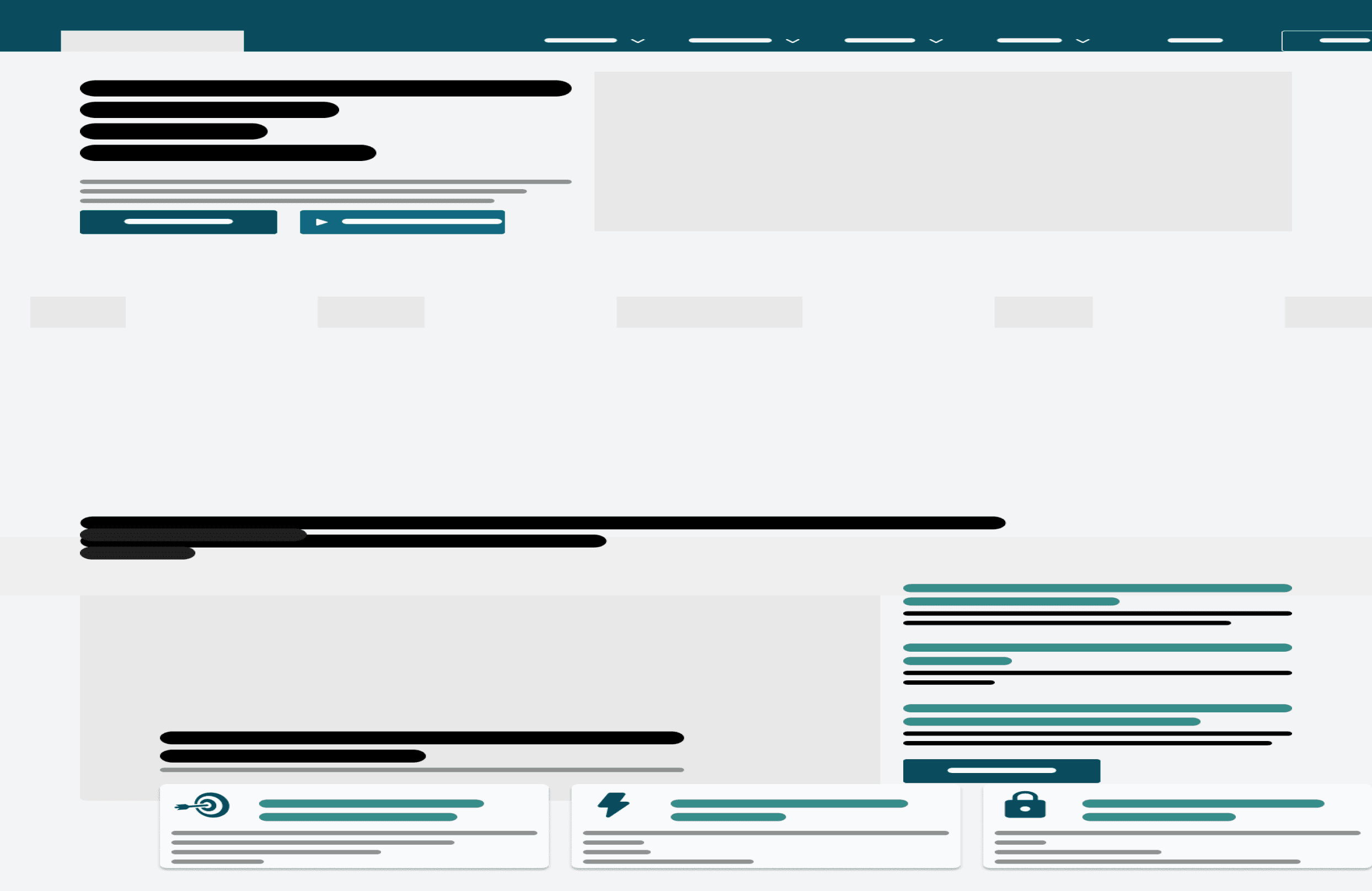
I translated research insights into low-fidelity wireframes focused on simplified layouts and intuitive flows. Each screen was designed to minimize cognitive load and ensure important information was front and center. Iterative wireframing allowed me to quickly test and refine ideas for onboarding, information input, and document review. I paid special attention to navigation clarity and the placement of support features. The wireframes established a logical, reassuring structure for the final design.
Wireframe
UI Design
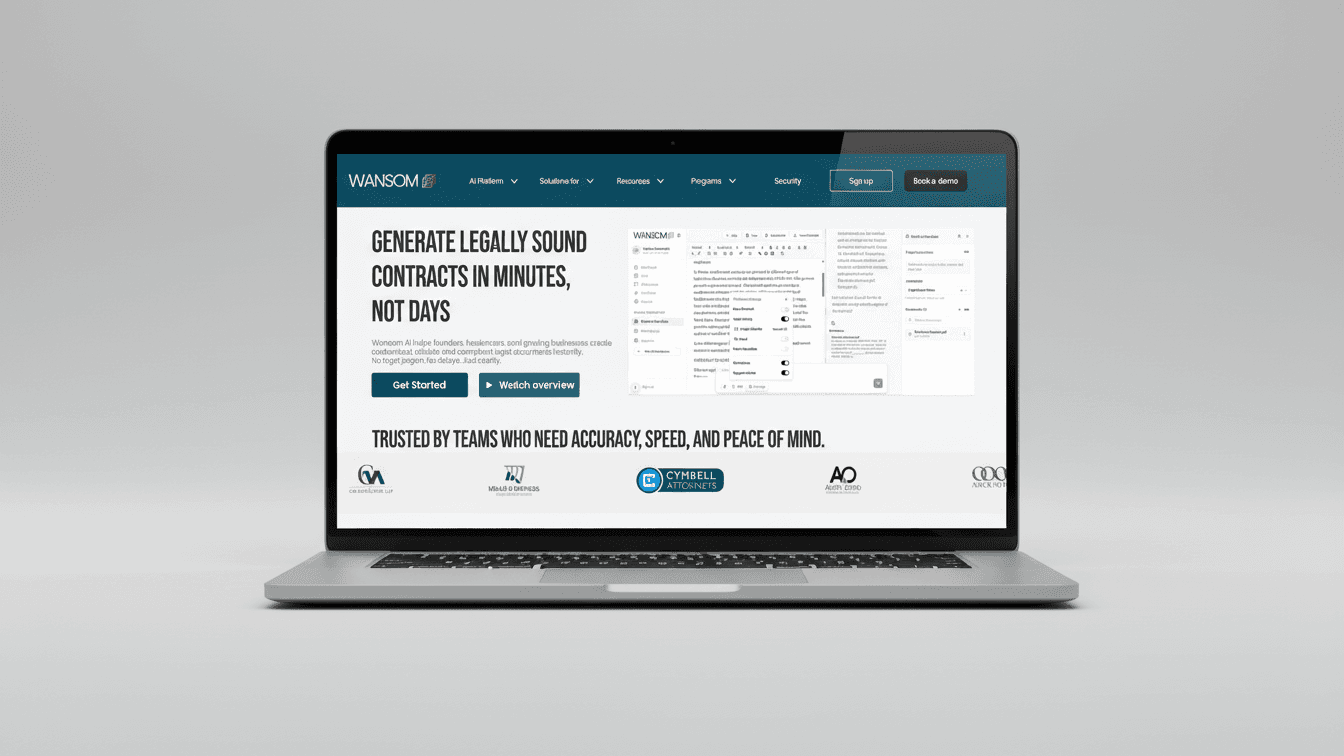
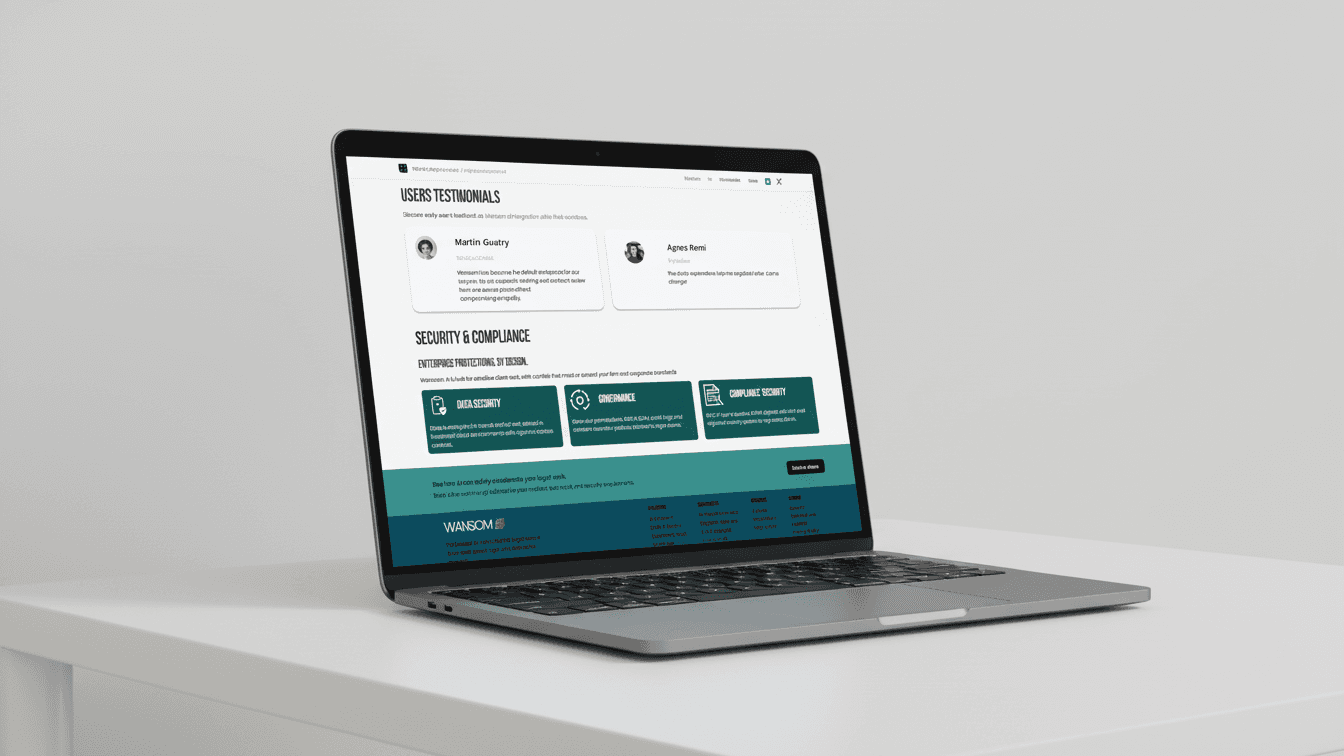
The final UI introduced a clean and approachable visual language, using calming colors and clear typography to reduce user anxiety. Brand elements were woven in throughout to reinforce credibility, while key actions and feedback messages were highlighted for immediate visibility. Clarity and transparency guided every design choice, from step-by-step instructions to the display of AI reasoning. The new interface not only looks modern and friendly but also directly addresses the trust and usability challenges identified early on.