Designing for emotional awareness
Background
Emotional self-reflection can feel nagging and intrusive, making it difficult for users to log moods consistently or follow through on daily check-ins. At the same time, trying to track emotions without structure demands time and mental energy, especially for people already balancing stress, anxiety, and busy routines.
How might we help people make sense of their emotions,one day at a time?
Project Overview
EmoLog is a mobile application designed to help users log their moods, reflect on their emotional journey, and gain insights about their well-being over time. The core vision is to make emotional self-awareness simple, habit-building, and empowering.
Role: Solo UX Designer & Researcher
Timeline: 12 weeks (Research to Launch)
Tools: Figma, Notion, Miro

Problem Statement
Many people struggle to understand their emotional patterns. Daily stress, social pressures, and limited self-reflection make it difficult to recognize triggers or trends.
The Challenge: Design a tool that helps users effortlessly track emotions, reflect on feelings, and gain insights without overwhelming them.
Understanding emotional needs
Through interviews and surveys, I discovered key insights about how people relate to their emotions.
Research Methodology
12 user interviews with working professionals aged 25-45

Survey of 150+ participants about current mood tracking habits
FUTURE ENHANCEMENTS
Social sharing of milestones (without pressure)
AI-powered emotion predictions & early warning systems
Integration with wearables (heart rate, sleep data)
Therapist-approved reflection exercises
Community mood maps (anonymized, location-based wellness insights)
Key User Personas

Sarah, 28
The Overwhelmed Professional
Works in high-stress environment
Wants to understand mood patterns
Needs quick, simple logging

Derek, 35
The Mindful Parent
Balancing work and family
Seeks emotional awareness
Values reflection and growth
Critical User Insights
73% abandon mood tracking apps within 2 weeks due to complexity
Users want context, not just mood ratings
Visual progress tracking motivates continued use
Privacy and data security are primary concerns
From insights to interface
Iterative design process focused on simplicity and meaningful reflection.
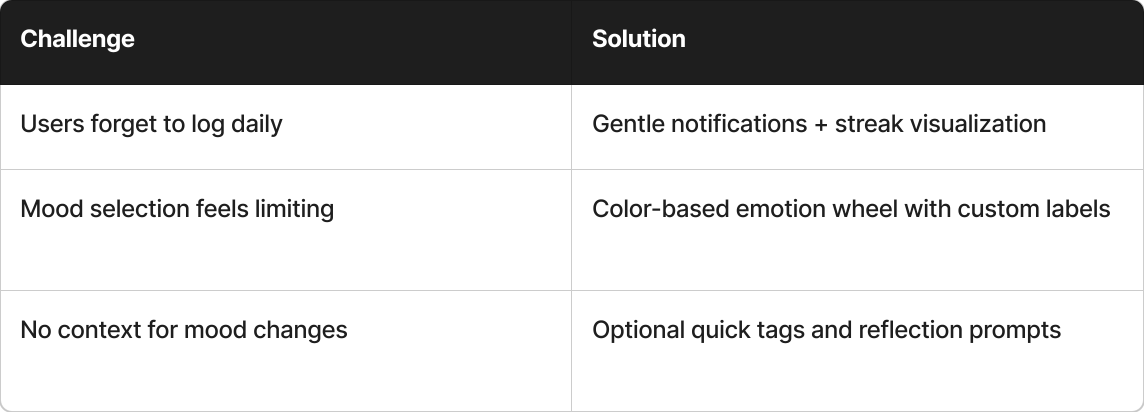
Key Design Decisions


Final hi-fi Designs

Key Learnings
Simplicity wins: Reducing cognitive load increased engagement by 40%
Context matters: Users valued reflection prompts over just mood ratings
Visual feedback drives habit: Progress visualization improved retention
Privacy first: Clear data practices built user trust